“The breeding of pet cats is the root problem and the number one priority.” Monica Barker has twenty-seven years’ experience with TNR programs. ed.
When I asked Monica Barker whether she’s seen an increase in illness and injuries in the local feral cat population, she replied,
“Goodness yes! Cat Network is paying for emergency amputations, eye removals and massive wound care every single month.”
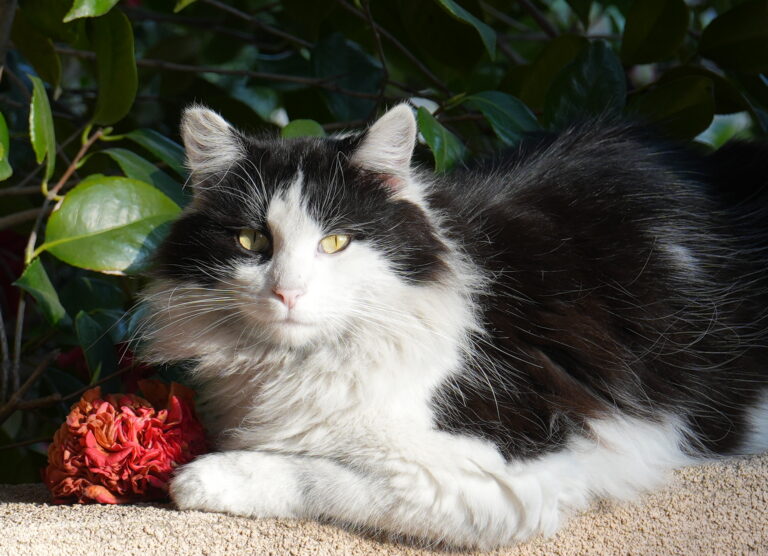
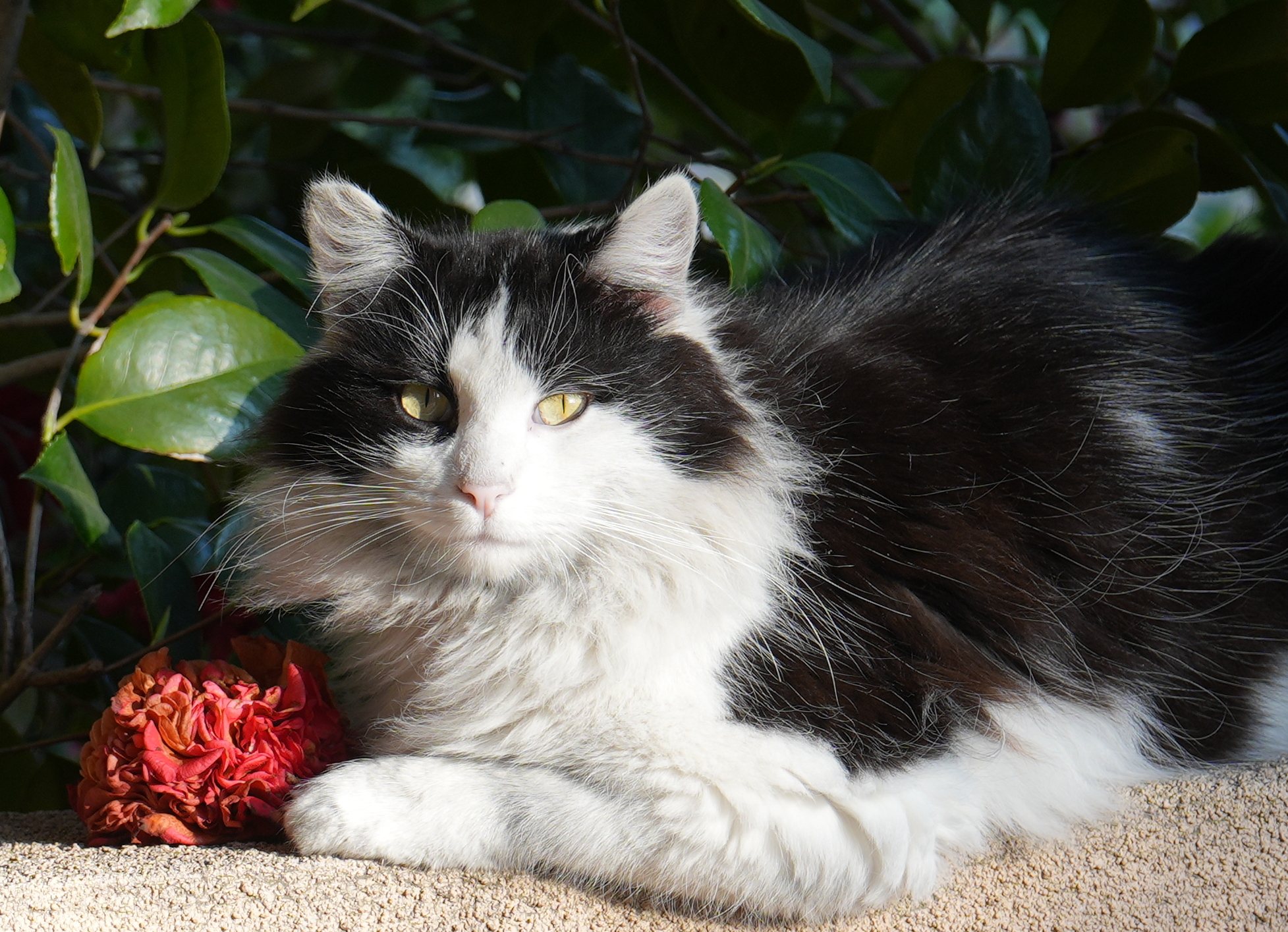
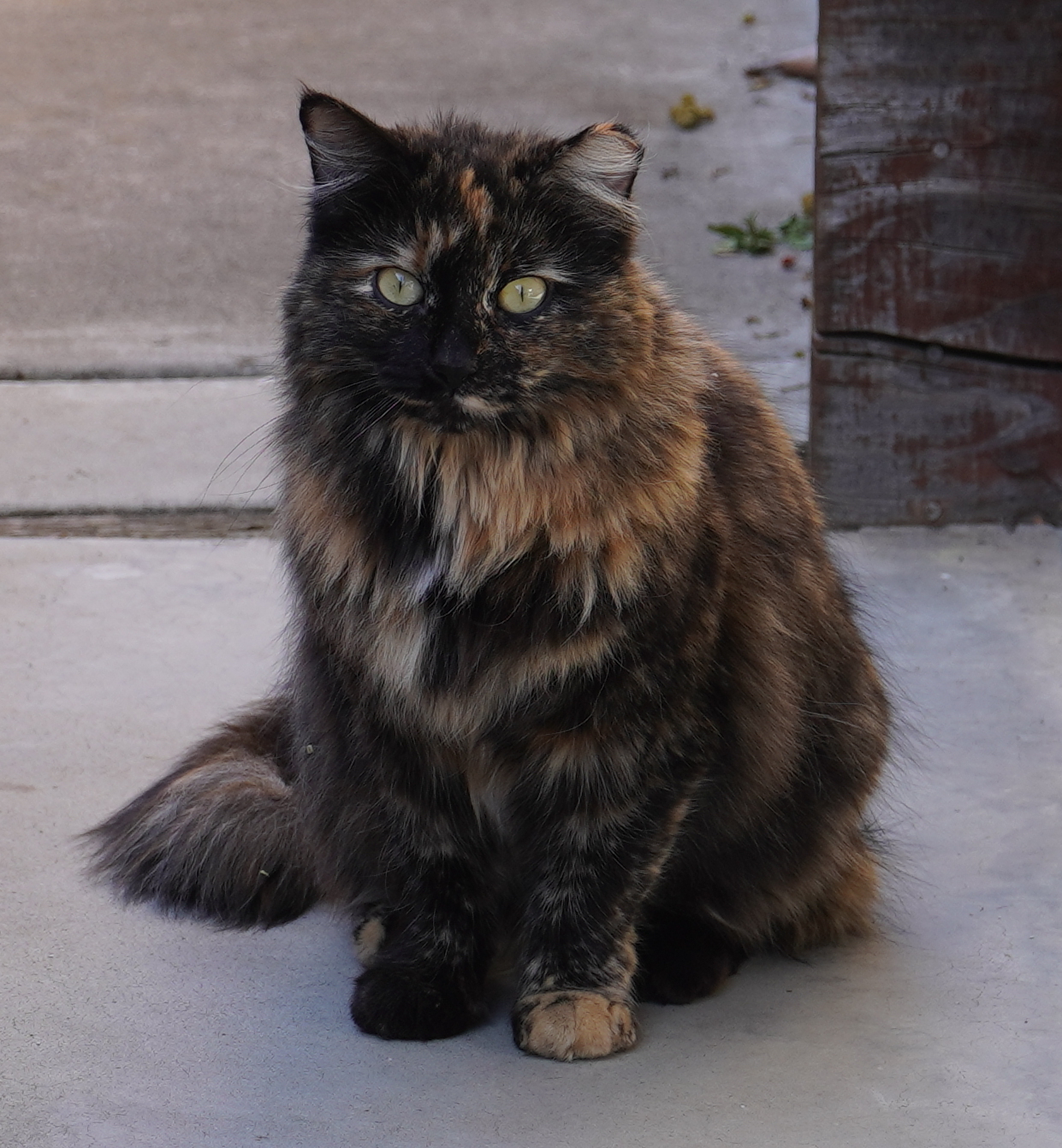
I had planned to publish some photos of the injured cats, but when Monica sent pictures, I couldn’t bear looking. Images of animal suffering wound the heart too deeply. I put up a couple of photos of fixed neighborhood ferals instead.
Cat Network of Stanislaus is Monica Barker’s labor of love for the “wild” animals that became part of our lives over 10,000 years ago, when the advent of agriculture brought about a rise in the prey species and food scraps cats thrive on. Like dogs, cats proceeded to help form our closest bonds to some of nature’s most able ambassadors.
Though they are predators themselves, cats often suffer high mortality, both in natural and urban environments. The evolutionary remedy for high mortality among animals is reproduction — cats can reproduce at four months old and often have litters of six kittens or more.
Most often, only people with surplus wealth and boundless affection can board and afford multiple cats — Ernest Hemingway was said to have “owned” more than twenty when he lived at Key West. The predictable outcome from high reproduction and unmatched homing is feral cat populations.
In good times, subsidized spay and neuter services are the chief factor in controlling feral cat populations and reducing the suffering feral cats endure from inevitable encounters with automobiles, depraved people, hostile dogs and other urban perils. As is the case with many areas of our economy, times have been tough for animal services since the pandemic.
“We have endured at least 6 years of a severe shortage of spay and neuter appointments due to the changes the pandemic created,” replied Barker during an email interview.
Despite drastic reductions in government services and subsidies, Cat Network, funded solely by grants and donations, assists 25-50 feral cats every week of the year. Seven regular volunteers join Monica in a Trap, Spay and Neuter (TNR) program that is widely accepted as the most cost-effective and humane way to manage feral cat populations. Despite these efforts, feral cat populations in Modesto and Stanislaus County have burgeoned and feline suffering has reached cruel proportions.
Recently, Stanislaus Animal Services Agency (SASA) has become a focal point for controversy because of inadequate services, rising euthanasia rates, and related issues. A new director was appointed earlier this month.
After over seventeen years on-the-ground experience with local feral cat populations, Monica Barker says there are three imperatives for managing them:
- “Work on increasing pet cat spay/neuter services, either through the Love Clinic or by contracting with local vets using vouchers. The breeding of pet cats is the root of the problem and the number one priority.
- Open vaccine and microchip clinics. We need to open low-cost options to the general population…hospitals and mobile vaccine clinics are not low cost at this time.
- Offer same-day TNR…It reduces costs and the risks of animals spreading disease among themselves.
Barker adds that,
“A good TNR program is more than just access to free or low-cost spay and neuter. It needs to include education and training on cat colony management and access to reliable trap equipment.”
Animal lovers who feed “stray” and “alley” cats should be especially concerned those cats are fixed and vaccinated. Many cat-loving neighborhoods enjoy visitations from their feral friends and share the costs of keeping the local population manageable through TNR. The joy of their presence is reward enough.
With new management and increased community awareness and concern, the Stanislaus Animal Services Agency may be ready to move forward toward increased efficiency and reduced suffering for our feline friends and neighbors. A wise first step would be to listen to and support Cat Network*, where cost-effective and humane management practices have been sharpened by years of on-the-ground experience and success. Monica Barker and her volunteers are in the top tier of local experts on domestic and feral cat management.
*Cat Network has a small population of thoroughly domesticated and trained rescue cats, available for a small fee to cover vaccinations, neutering, and chips. Check here if interested. They do not accept cats from the public.