
In 2021, Modesto Irrigation District (MID) capped its allotment for District farmers at 36 inches. It was dry year. The normal allotment is 42 inches.
2022 was another dry year — so dry that the allotment dropped to 30 inches, a full foot under the usual measure. Turlock Irrigation District (TID) also limited its irrigation allotment to 30 inches. Both districts depend on the Tuolumne River for their surface water needs.
Also in 2021, along that same Tuolumne river, the AB La Grange Ranch — where MID Director Larry Byrd is partners with his brother Tim and Tyler (Ty) Angle — pumped 625 acre-feet of Tuolumne River water onto parcels where they claim they irrigate 90 acres of pasture and 50 acres of almonds.
The parcels where they pumped the water are known as the “Rairden” and “Rodoni” properties and include two pumps along the river, one on the Rairden and one on the Rodoni. The Rairden pump runs on diesel fuel. The Rodoni pump is electric.
The Rairden and Rodoni properties along the Tuolumne River are only a small portion of the total acreage Byrd and his partners lease just a few miles west of the unincorporated community of La Grange. The total acreage amounts to approximately 3,000 acres, most of which is across Highway 132 and uphill from the riverfront properties.
In 2015, Larry Byrd and his partners planted approximately 500 acres of almonds on the uphill property. Just under 400 acres of the almond trees were inside MID boundaries. That left a bit over 100 acres outside the District.

The almond trees on the uphill properties are irrigated with two pumps. One is a 250 horsepower electric pump that pulls water from the MID main canal. The other is a small diesel pump that lifts groundwater from Stanislaus County’s east side aquifer. After many years of claims that he didn’t need groundwater because all his trees were in-district, Byrd has most recently said that he irrigates the out-of-district trees with groundwater from a deep well below the diesel pump.
Two credible eyewitnesses who worked on the AB La Grange Ranch in 2021 and 2022 have said Director Byrd “seldom” ran the diesel pump, and when he did, it was most often to reduce frost during the winter months.
In a normal year, the 42-inch allotment for 400 acres (rounded off; actual total on the uphill property is about 367 acres) would amount to 1400 acre feet. Assuming the out-of-district trees would use the same 42-inches of water, the yearly usage would come to 350 acre-feet; rounded off, total usage for both in- and out-of-district trees would be about 1750 acre-feet. We’ve rounded off the numbers for easier math.
While the reduction of the MID allotment in 2021 to 36 inches — three acre-feet — represented a significant hardship for Byrd and his partners, the 2022 30-inch allotment was even more severe. Given those hard facts, the use of riparian water on the riverfront parcels is mind-boggling.
Again, total 2021 reported usage for both the Rodoni and Rairden river pumps was 625 acre-feet for 90 acres of pasture and 50 acres of “almonds and other nuts.” That’s over one-third of the total acre-feet of water for less than 30% of the uphill acreage.
Those numbers fade to insignificance beside the data from 2022. According to the report at the State Water Resources Control Board (SWRCB), the Rairden pumping record for 2022 came to a total of 156.7 acre-feet. That’s for 40 acres of pasture and the aforementioned 50 acres of “almonds and other nuts.”

The Rodoni pumping record for 2022 — for a stated use of 50 acres of pasture — was 705.7 acre-feet!
Let that sink in. Yes, 705.7 acre-feet. Moreover, in the box marked “water transferred” on the report filed with SWRCB, Byrd and company wrote “no.”
So in 2022, Larry Byrd and his partners reported pumping a total of 862.4 acre-feet of Tuolumne River water onto a total of 140 (as reported) irrigated acres — 90 acres of pasture and 50 acres of almonds. That’s a tick under half the water needed for Byrd’s (rounded off) 500 acres of almonds in a normal year with its 42-inch allotment.
2022, of course, was not a normal year. It was a year of severely reduced flows along the Tuolumne. Most all of the water that flowed down the Tuolumne that year had been stored behind the dams above the AB La Grange properties.
Virtually any summary of California riparian water law includes the stipulation that, “Only the natural flow of water can be diverted under a riparian right.” In extremely dry years like 2021-22, virtually no Tuolumne River water is the result of natural flows; as we’ve mentioned above, it’s water that has been stored behind dams.
So in 2022, when MID and TID farmers faced severe restrictions on irrigation allotments, and when natural flows along the Tuolumne River were virtually nonexistent, Larry Byrd and his partners at AB La Grange Ranch were irrigating a stated total of 140 acres of pasture and almonds with a stated total of 862.4 acre-feet of Tuolumne River water.
Consider also that in 2016, a normal water year, stated usage for the Rairden pump was 250 acre-feet; for the Rodoni pump, the recorded usage was 200-acre feet. Six years later, usage for both pumps for the same stated purposes had nearly doubled during a year of severe restrictions on irrigation allotments for both the local districts that depend on the Tuolumne River.
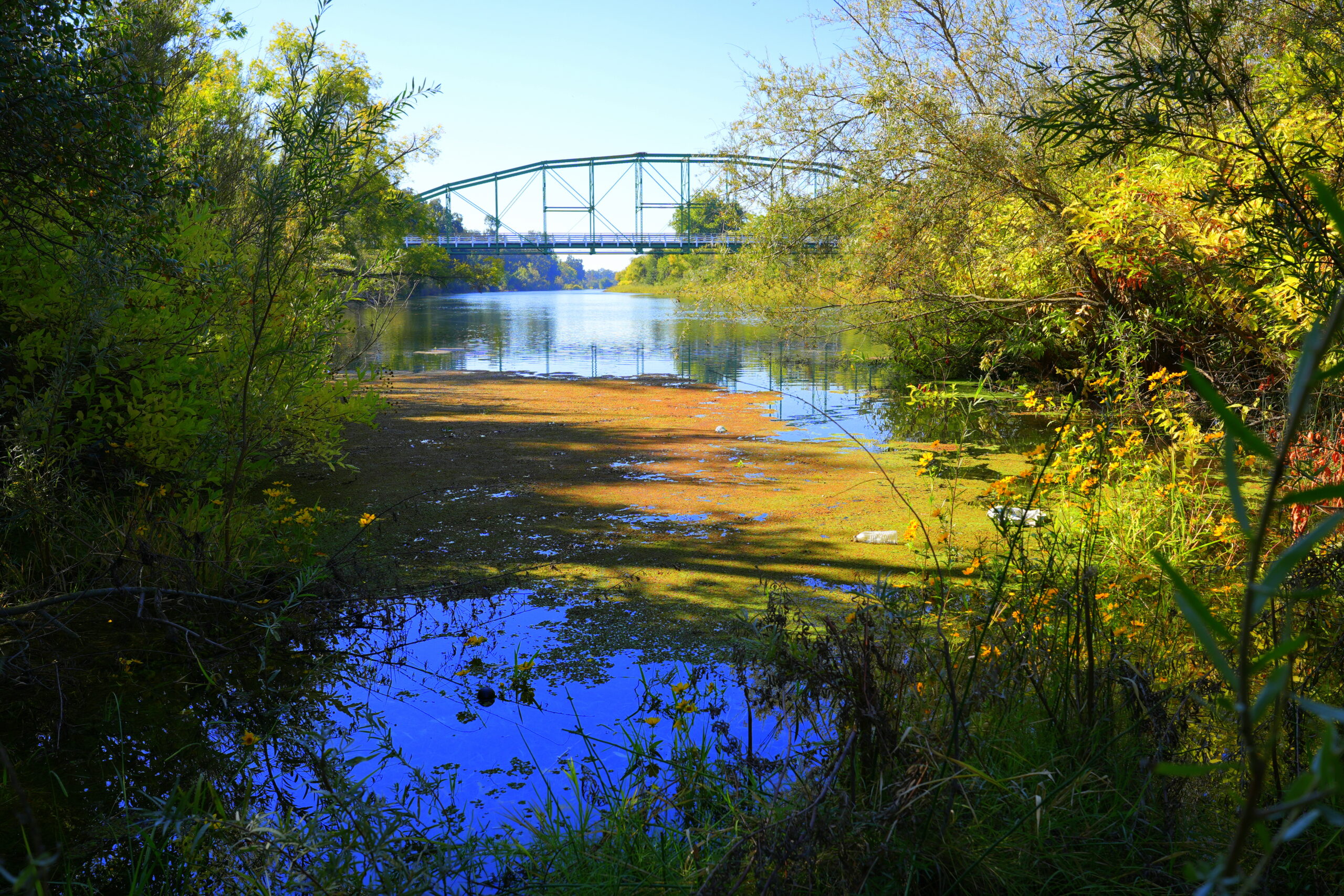
The fundamental principles for riparian water usage in the State of California are that it must be both “reasonable and beneficial.” It may be that Larry Byrd and his partners can explain why their increased usage of Tuolumne River water during 2021-22 is reasonable and beneficial, but from the vantage point of downstream users, that’s going to be a very hard argument.
It’s an even harder argument when water rates for homeowners throughout California keep rising. For a bit of perspective about the monetary value of the water Byrd and his partners have grabbed, consider that one acre-foot of water can serve as many as three water-conscious California families. Consider also that just a few miles west of the AB La Grange Ranch, in the Coast Range hills near Patterson, homeowners at Diablo Grande Resort recently faced rate hikes to as much as $600 a month. That’s $7200 a year per household for less than an acre-foot of water.
While it may seem a stretch to tie the use of water along the Tuolumne River to the cost of residential water some 50 miles west, the fact is that most anyone who lives in California is a “downstream” user of one river or another. In fact, in addition to serving MID and TID farmers, the Tuolumne River is also the chief source of water for the City of San Francisco.
The point is, unless we’re using groundwater, which is also declining precipitously, rivers provide water for most of the state. And, while water use will likely remain controversial, most of us would probably agree, that in times of increasing scarcity, the costs of profligate exploitation of our rivers for private gain should not be borne by the rate-paying public. Nonetheless, it is the rate-paying public that keeps getting stuck with the bill while river pirates like Byrd and his partners wantonly raid and pillage one of the most abused rivers in the west.
At AB La Grange Ranch, the public interest is going down the drain even faster than Larry Byrd and his partners can pump riparian water — and that’s much too damn fast.
Thank you for bringing this information to the front of everyone’s face so that we, the people, can understand how corrupt people in office can be. These people not only vie for these positions, but are mindful of why they want it so they can abuse it.
we will see if he is all washed up at the next election.
Comments are closed.